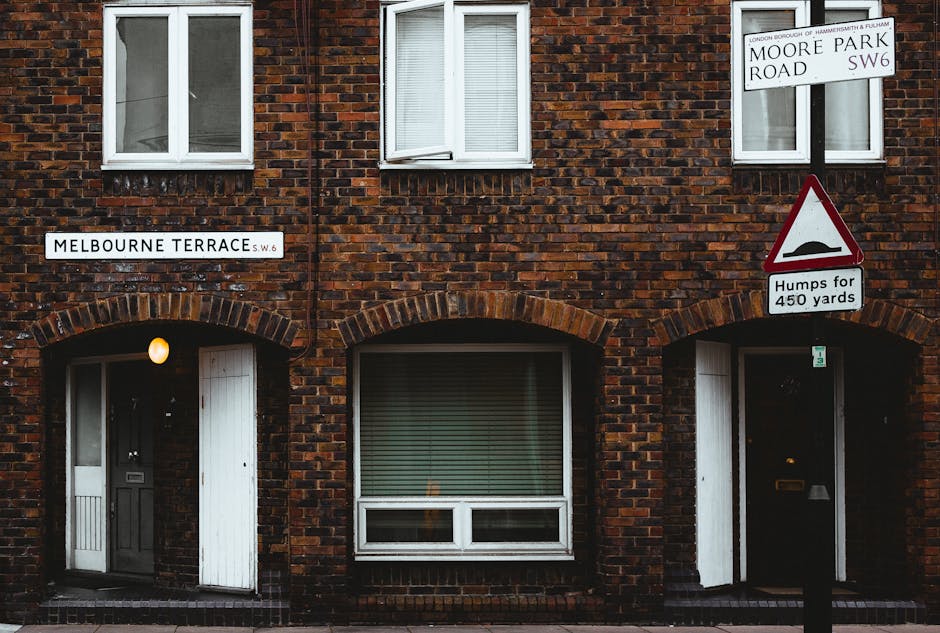
Moving Into a Fulham Victorian on New King's Road: A Practical Guide for a Smoother Start
Moving into a Fulham Victorian on New King's Road sounds exciting for a reason. You are not just changing address; you are stepping into a home with character, quirks, and a few hidden challenges that only show up once the boxes arrive. High ceilings, narrow staircases, sash windows, original features, and older layouts can all make a move feel very different from a standard apartment handover. To be fair, that is part of the charm.
This guide breaks down what really matters when you are planning the move, how the process works in a real-world London setting, and what to do if you want the day to feel organised rather than chaotic. You will find practical steps, common mistakes, comparison points, compliance notes, and a realistic checklist you can actually use. If you are comparing service options, you may also find it helpful to look at house removals in Parsons Green and the broader services overview before deciding what level of help you need.
Table of Contents
- Why Moving Into a Fulham Victorian on New King's Road Matters
- How Moving Into a Fulham Victorian on New King's Road Works
- Key Benefits and Practical Advantages
- Who This Is For and When It Makes Sense
- Step-by-Step Guidance
- Expert Tips for Better Results
- Common Mistakes to Avoid
- Tools, Resources and Recommendations
- Law, Compliance, Standards, or Best Practice
- Options, Methods, or Comparison Table
- Case Study or Real-World Example
- Practical Checklist
- Conclusion
- Frequently Asked Questions
Why Moving Into a Fulham Victorian on New King's Road Matters
A Victorian house in Fulham is not just another property move. It often comes with a different rhythm, a different layout, and a different set of expectations. New King's Road, in particular, combines busy local traffic, residential parking pressures, and homes that may have been adapted over the decades. That combination matters because the move-in process can be the difference between a calm first evening and a day spent wrestling with a wardrobe in a hallway that seems to have shrunk overnight.
Older properties often reward planning. You may have period features to protect, tighter access than you expected, or rooms that do not quite fit modern furniture sizes. A move like this also tends to involve more decision-making than people realise: where to unload, what goes upstairs first, whether the sofa will fit through the front door, and whether storage is needed for items that cannot go straight in.
There is also the emotional side. Many people move into Fulham because they want a home with feel, not just function. So the moving process should support that, not flatten it out into a rushed, stressful day. The aim is simple: protect the property, protect your belongings, and let the house settle in a way that feels deliberate. If you are already at the planning stage, reading a few local moving guides, such as effective strategies for a smooth house move, can save you a lot of hassle later.
Expert summary: Victorian moves in Fulham go best when you plan around access, packing order, and the home's layout rather than treating it like a standard modern flat move.
How Moving Into a Fulham Victorian on New King's Road Works
In practical terms, the process starts before moving day. You need to assess the route from van to front door, the width of internal staircases, where furniture will go, and whether any fragile or oversized items need specialist handling. That early look is especially useful in Victorian homes, because what seems straightforward from the street can become awkward once you reach the stairs or narrow landing.
Most successful moves follow a familiar pattern. First comes preparation: packing, labelling, and choosing what should be transported immediately versus what can wait. Next comes access planning: parking, timing, and route mapping. Then comes unloading, which is where old houses can surprise you. A chest of drawers that is easy to carry in a warehouse corridor may become awkward when you have to turn it halfway up a staircase. Funny how that works.
For larger households or heavier items, professional help can make the difference. Services like man and van support, local removals, or a dedicated removal van service can be matched to the scale of the job. If you have more specialist belongings, such as a piano or fitted furniture, you may need separate handling considerations. A little planning here goes a long way.
Key Benefits and Practical Advantages
One of the biggest benefits of moving into a Victorian home is the space and character you can work with. High ceilings can make a room feel calm and generous, while original features such as fireplaces, cornicing, or bay windows can give the property real personality. For many people, that is the reason they put up with the awkward bits.
There are practical advantages too. A well-managed move helps you settle faster, reduces damage risk, and prevents the common pattern of boxes sitting unopened for weeks. That last one happens more than anyone likes to admit. If you organise the move properly, you can set up bedrooms, kitchen essentials, and seating areas first, then tackle the slower unpacking in stages.
Other advantages include:
- Better protection for older fixtures, floors, and walls.
- Less lifting strain because the move is paced and planned.
- Reduced chance of last-minute storage problems.
- Cleaner handover between old and new homes.
- More confidence when handling bulky items in tight spaces.
If you are unsure how much support to book, a helpful starting point is flat removals in Parsons Green for smaller moves or furniture removals if the main challenge is large items rather than the full household.
Who This Is For and When It Makes Sense
This guide is for anyone moving into a Victorian home on or near New King's Road, but it is especially useful if any of the following sound familiar: your sofa is oversized, you have a staircase that looks narrower in person, your move date is tight, or you simply do not want to damage a period property on day one.
It also makes sense for:
- Families moving into a long-term home and wanting a calm first week.
- Professionals relocating for work who need a smooth handover.
- People with antiques, pianos, or delicate furniture.
- Buyers who need short-term storage before everything can go in.
- Anyone who has moved before and remembers the pain of underestimating the stairs. You know the feeling.
It may be less relevant if you are moving only a few boxes into a fully furnished rental. But even then, the principles help. Victorian homes reward forethought, not improvisation. If you are planning a bigger move, it can also be useful to review packing and boxes support and storage options in case you need flexibility around delivery dates.
Step-by-Step Guidance
Here is a practical way to approach the move without letting it spiral into a pile of half-packed boxes and missing kettle leads.
- Measure access first. Check front doors, stair turns, hallway widths, and any tight corners before the van is booked.
- Sort and declutter. Anything you do not need is just extra lifting. This is the moment to be ruthless, but kind to yourself.
- Pack by room and priority. Label boxes clearly so the essentials come out first, not buried under three layers of old books.
- Protect period surfaces. Use blankets, corner protectors, and floor coverings where needed.
- Plan the unload sequence. Put beds, essentials, and fragile items in the right place before you start filling rooms randomly.
- Set up one room fully. A working bedroom or kitchen gives you a foothold. It keeps the place from feeling like a storage unit with wallpaper.
- Deal with leftovers. Store, donate, recycle, or dispose of anything not going straight into the house.
For a fuller packing breakdown, the article on packing success when moving your home is a solid companion read. If you are moving items like a freezer or sofa, the extra advice on temporary freezer storage and sofa storage tips can be genuinely useful.
Expert Tips for Better Results
Small choices make a big difference in Victorian moves. Here are the ones that tend to matter most.
- Use a room plan. A rough sketch is enough. Mark where large furniture goes before anything arrives.
- Keep a tool bag separate. Allen keys, tape, scissors, screwdrivers, chargers, and a torch should not be lost in a random box.
- Wrap furniture properly. Older walls and modern furniture do not always get along. Neither do corners and paintwork.
- Choose the right lifting method. If something is too heavy or awkward, do not improvise. The advice in how to manage heavy lifts without assistance is worth reading before you try to be a hero.
- Protect the floors. Victorian timber floors and older finishes can mark more easily than expected.
- Keep essentials with you. Documents, medications, valuables, phone chargers, and basic toiletries should travel separately.
One overlooked tip: do not unpack everything immediately. Take a breath. Walk the rooms. Notice how the light changes in the afternoon, how the hallway echoes, which room feels best for the first proper cup of tea. That pause helps you make better placement decisions, and honestly, it makes the place feel like yours a little faster.
If you are moving a piano or similarly delicate item, a specialist approach matters. You can read more on piano removals in Parsons Green and the practical safety guidance in pros versus pianos on the move.
Common Mistakes to Avoid
Most moving problems are not dramatic. They are ordinary little oversights that stack up. Here are the most common ones.
- Underestimating access. A Victorian staircase can turn a simple move into a juggling act if you do not measure first.
- Packing by chaos, not by room. When labels are vague, unpacking becomes slower and more frustrating.
- Ignoring parking and timing. New King's Road can be busy, and delays affect unloading more than people expect.
- Forgetting protection for floors and walls. Scuffed woodwork is an expensive annoyance.
- Leaving decluttering too late. Moving unwanted items is just paying to move clutter. Nobody needs that.
- Not checking insurance. Even with careful movers, it is sensible to understand what cover is in place.
A smaller mistake, but still common, is assuming every room in a Victorian house will work exactly as you imagined from the viewing. Sometimes the spare room is a little tighter, or the landing makes furniture rotation tricky. That is normal. Just plan for it.
Tools, Resources and Recommendations
You do not need fancy gear, but a few tools make the process much easier.
- Moving blankets and furniture covers for protecting surfaces.
- Sturdy boxes and tape for keeping items secure.
- Labels and markers for quick room identification.
- Gloves and straps for safer lifting and carrying.
- Floor runners or cardboard sheets for protecting hallways and stairs.
- A basic toolkit for dismantling beds, tables, or shelving.
As for resources, the most useful pages are often the ones that answer a very specific moving question. For example, how to shift your bed and mattress can help if bedroom furniture is your biggest headache, while how decluttering eases the moving process is a good pre-move read if you want to reduce load before moving day. If you need a more hands-on service, you can also explore man with a van support or removal services depending on scale.
And if the move does not line up neatly with completion times, handover windows, or decorators, short-term holding can be the calmer option. In that case, storage in Parsons Green may be worth a look. It is not glamorous, but it can save a lot of stress. Truth be told, storage has rescued more moving days than people admit.
Law, Compliance, Standards, or Best Practice
For a residential move, there is usually no single complicated legal process unique to Victorian homes, but there are still important standards and duties to keep in mind. Good movers should work safely, use sensible handling methods, and respect building access. If you are hiring help, it is reasonable to ask about insurance, transport security, and how fragile or heavy items will be managed.
In practical UK terms, best practice usually includes:
- Safe lifting and carrying procedures.
- Careful protection of property and belongings.
- Clear communication about access, timing, and limitations.
- Transparent pricing and terms before work starts.
- Respect for privacy, security, and any building rules in place.
If you want more reassurance around how a provider approaches risk, insurance and safety information is worth reviewing. It is also sensible to read the health and safety policy, terms and conditions, and payment and security details before confirming a booking. That may sound tedious, but it is exactly the sort of careful check that prevents unhappy surprises later.
Options, Methods, or Comparison Table
If you are deciding how to handle the move, it helps to compare the main approaches side by side.
| Method | Best For | Strengths | Possible Drawbacks |
|---|---|---|---|
| DIY move | Small loads, flexible timing | Lower direct cost, full control | More lifting, more risk, more time |
| Man and van | Medium-size residential moves | Flexible, practical, efficient | May still require your own packing and preparation |
| Full removals service | Whole-house moves or heavier items | Less stress, better handling, more structure | Usually the most expensive option |
| Temporary storage plus delivery | Delayed access, renovation gaps, phased move-ins | Flexibility and breathing room | Requires extra coordination |
For a Fulham Victorian, the right choice often comes down to access and furniture size rather than budget alone. If you own a few large or awkward pieces, one good moving team can be cheaper in practice than several stressful attempts with borrowed vans and tired friends. We have all been there, and it rarely ends with everyone laughing.
Case Study or Real-World Example
Imagine a couple moving into a Victorian terrace just off New King's Road on a wet Thursday afternoon. They have a king-size bed, a large sofa, a glass dining table, and a handful of framed art pieces they care about quite a lot. The front door is fine, but the hallway turns sharply before the stairs. The sofa will fit, but only if it is angled carefully and protected properly.
Rather than trying to rush everything through at once, they take a phased approach. The bed and mattress go in first so one room becomes usable quickly. The dining table is wrapped and carried after the landing is checked. The artwork goes in last, once the route is clear. They keep tea, kettle, chargers, and bedding separate, so by evening they can sleep and start again the next morning.
That kind of move is not flashy, but it works. It reduces pressure and keeps the house in good condition. The owners also avoid the classic mistake of unpacking the kitchen before they know where the cupboards will actually be used. A small thing, but it saves time. If they wanted to prepare more thoroughly beforehand, the local moving article on moving from Parsons Green Lane offers useful area-specific context too.
Practical Checklist
Use this checklist in the week before moving day. It is intentionally simple.
- Measure doors, stairs, and key furniture items.
- Confirm parking and unloading access.
- Label all boxes by room and priority.
- Wrap fragile items and protect corners.
- Set aside essentials for the first 24 hours.
- Dismantle large furniture if needed.
- Check insurance, terms, and payment details.
- Plan where beds, seating, and kitchen basics will go.
- Arrange storage for anything not going straight in.
- Keep phone chargers, documents, and valuables with you.
- Prepare floor protection for hallways and stairs.
- Set up one room fully before tackling the rest.
If you want a more sustainability-minded move, you can also review recycling and sustainability options so unwanted items are handled responsibly rather than just piled into bags and forgotten.
Conclusion
Moving into a Fulham Victorian on New King's Road is one of those life moments that can feel exciting and slightly intimidating at the same time. The property will probably have character, but it may also ask a bit more of you than a newer home would. That is fine. In fact, that is usually the trade-off people are happy to make.
The best results come from careful access planning, smart packing, realistic lifting decisions, and a clear idea of what should happen first once the van arrives. If you prepare well, the move stops being a puzzle and becomes a sequence of manageable steps. Not always smooth, let's be honest, but much smoother than winging it.
Get a free quote today and see how much you can save.
If you would like to talk through your move, check availability, or ask a few practical questions before booking, you can always start with the team at about us or head straight to the contact page. Sometimes a quick conversation clears up more than an hour of guessing.
Frequently Asked Questions
What makes moving into a Victorian house in Fulham different from a modern flat move?
Victorian homes often have tighter stairs, older fittings, uneven thresholds, and more fragile finishes. That changes how furniture is carried, where it is placed, and how much protection is needed for walls and floors.
Should I measure furniture before booking a moving service?
Yes. Measuring sofas, wardrobes, beds, and larger appliances helps you avoid access surprises. It is especially useful in period homes where stair turns and hallways can be awkward.
Do I need a full removals service or is a man and van enough?
It depends on the size of the move and the type of furniture involved. A man and van can work well for smaller or medium moves, while a full removals service is often better for larger households, heavier items, or tighter access.
How do I protect original features in a Victorian property during the move?
Use floor coverings, furniture blankets, and corner protection. Move slowly through narrow spaces, and avoid dragging items. It also helps to assign one person to watch clearances when turning corners.
What should I unpack first in a new Fulham home?
Start with essentials: beds, bedding, toiletries, chargers, kettle, basic kitchen items, and any medication or important documents. A functioning bedroom and kitchen make the whole house feel more settled.
Is storage useful if the completion date and move-in date do not line up?
Very useful, yes. Temporary storage gives you flexibility if access is delayed, renovation work is unfinished, or you need to move in phases. It removes a lot of pressure from the day.
Can I move a piano or heavy antique furniture into a Victorian house safely?
Usually, yes, but it should be handled with specialist care. Heavy or delicate items need planning, appropriate equipment, and enough people to move them safely without forcing them through tight spaces.
How far in advance should I plan the move?
As early as you can. Even a few weeks of planning helps with packing, parking arrangements, storage decisions, and measuring access. For bigger or more complex moves, more time is better.
What if my sofa or wardrobe will not fit through the hallway?
That is common in older homes. Sometimes furniture can be dismantled, sometimes it needs a different route, and sometimes it is better to store or replace it. Checking measurements beforehand saves the most stress.
Are there safety issues I should ask a moving company about?
Yes. Ask about insurance, lifting methods, property protection, and how they handle heavy or fragile items. It is also sensible to understand payment terms and any conditions before confirming the booking.
How can I make moving day less stressful?
Keep essentials separate, label everything clearly, confirm access details early, and avoid last-minute packing. A simple room-by-room plan helps far more than people expect.
Who should I contact if I want a quote or advice before booking?
The easiest next step is to use the pricing and quotes page or contact the team directly through the contact page. That way you can match the service to your actual move, not a guess.