Munster Road Removals Best Times and Loading Spot Tips
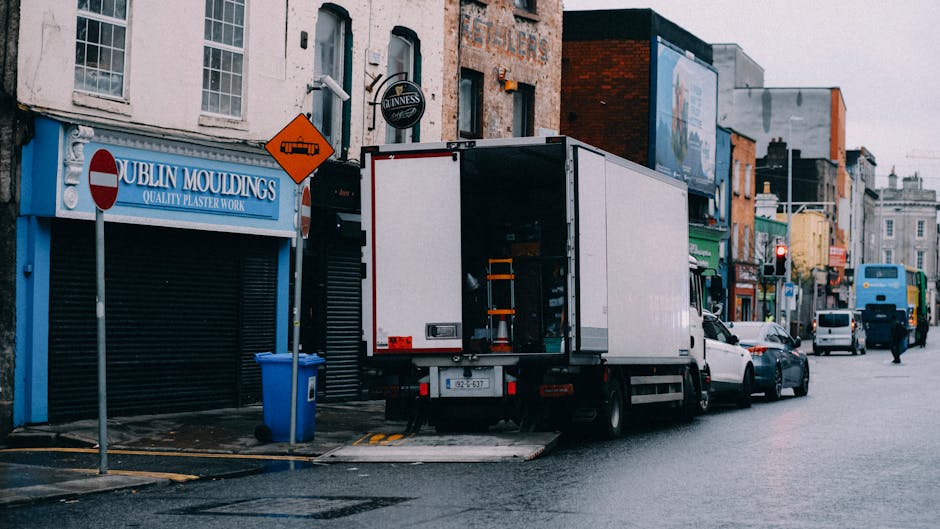
If you are planning a move around Munster Road, timing and loading position can make the difference between a calm start and a very awkward one. Munster Road Removals Best Times and Loading Spot Tips is really about two things: choosing the least disruptive time to move, and finding a loading setup that keeps the van safe, the neighbours happier, and your belongings moving efficiently. Sounds simple enough. In practice, though, a few minutes of planning can save you an hour of faffing about on the day.
This guide breaks the whole thing down in plain English. You will learn when Munster Road tends to work best for removals, how to think about loading spots, what makes access easier, and the mistakes that trip people up. There is also a practical checklist, a comparison table, and a few real-world tips that come from how moves actually play out on busy London streets - not just how they look on paper.
- Why timing and loading spots matter
- How the moving process works on Munster Road
- Key benefits and practical advantages
- Who this is for and when it makes sense
- Step-by-step guidance
- Expert tips for better results
- Common mistakes to avoid
- Tools, resources and recommendations
- Law, compliance, standards, or best practice
- Options, methods, and comparison
- Case study or real-world example
- Practical checklist
- Conclusion
- Frequently asked questions
Why Munster Road Removals Best Times and Loading Spot Tips Matters
Munster Road sits in a part of London where access can be tight, traffic can build quickly, and parking spaces may disappear the minute you spot one. That means the "best time" for a move is not just a nice-to-have detail. It directly affects how long your crew spends waiting, how much walking they do between property and van, and whether your day feels organised or rushed.
Loading spot choice matters for the same reason. A van parked well can shorten carrying distances, reduce the chance of bumps or dropped items, and make heavier furniture much easier to handle. Park badly, and even a small move becomes a chain of tiny problems: a blocked doorway, a narrow pavement, a questionable double-park, then suddenly everyone is sweating and nobody is smiling.
There is also a neighbour factor. On streets like Munster Road, people notice if a van blocks sightlines, idles too long, or leaves little room for others to pass. Being tidy with timing and loading is not just about efficiency. It is part of moving considerately in a built-up area.
Expert summary: The best removals on Munster Road are usually the ones that look almost boring from the outside - early planning, a sensible arrival window, a safe loading position, and enough flexibility to handle the one thing London always throws at you: a surprise.
How Munster Road Removals Best Times and Loading Spot Tips Works
To get this right, think in three layers: the time of day, the street conditions, and the loading strategy. Those three pieces work together. You can have the perfect crew and still lose time if the van arrives during a busy stretch or ends up a little too far from the front door.
In practical terms, a removal on Munster Road usually starts with a quick look at access. Where can the van stop without causing trouble? Is there space to load from the front or does a side position make more sense? Is there a bay, a stretch of unrestricted parking, or a location where the vehicle can sit safely while the team works? These are the sorts of questions that matter before the first box is moved.
The best time is usually the time that gives you the fewest interruptions. That may be early morning for quieter roads and easier parking, or mid-morning once rush-hour traffic has settled. For some moves, an off-peak weekday works better than a weekend, especially if you want less competition for space. Truth be told, there is no single magic hour. The goal is to reduce friction.
Loading spot tips are just as practical. A good spot should:
- keep the van close to the entrance where possible
- avoid blocking driveways, crossings, or junction sightlines
- give enough width for doors to open safely
- allow the team to move items in straight, controlled carries
- minimise time spent crossing pavements or kerbs with heavy items
That last point matters more than people think. A shorter carry often saves more time than another pair of hands. Simple, but true.
Key Benefits and Practical Advantages
Getting your removal timing and loading position right on Munster Road brings a few very real advantages. Some are obvious, some less so, and a couple only become obvious when something goes wrong. Let's keep it grounded.
- Faster loading: Less distance between property and van means fewer trips and less fatigue.
- Lower stress: A clear plan avoids the classic last-minute scramble for a parking space.
- Better protection for belongings: Fewer awkward turns and less carrying time reduce handling risk.
- Less disruption to neighbours: A neat loading setup is simply better street etiquette.
- More control over the schedule: If your move starts on time, the rest of the day usually behaves a little better too.
There is also a financial angle, even if you are not looking at it directly. When access is poor, a move can take longer. And longer jobs can mean more labour time, more vehicle time, and a bit more tension all round. No one likes paying for delay that could have been avoided with a better loading plan.
We have seen many small moves turn into surprisingly long ones simply because the van was parked too far down the road. The boxes were fine, the crew was fine, but the walking time stacked up. It adds up quietly.
Who This Is For and When It Makes Sense
This approach makes sense for anyone moving on or near Munster Road, but it is especially useful if you are dealing with one of the following situations:
- a flat move with stair access
- limited parking outside the building
- bulky furniture such as wardrobes, sofas, beds, or appliances
- a move that needs careful timing around work, school runs, or building access windows
- shared entrances or narrow frontages
- a move involving neighbours, porters, or building management
It also helps if you are comparing different moving options. For example, a smaller vehicle may suit a quick, light move if parking is close and easy, while a larger van may be better if you need to shift more in one go. If you are still weighing that up, services such as man and van removals or a more structured removal services approach can be useful depending on the scale of the job.
It is also worth saying: not every move needs the same level of planning. A single-room relocation and a full family move are very different beasts. One can be nimble. The other needs a bit more choreography, and yes, sometimes a strong cup of tea before the first box is even lifted.
Step-by-Step Guidance
If you want the simplest way to plan Munster Road removals properly, follow this sequence. It keeps things practical and stops the day from drifting.
- Check your move date and timing window. Think about traffic, building access, and whether you need to be out by a specific time.
- Walk the frontage in advance. Look at bay spaces, dropped kerbs, narrow sections, and any obvious obstruction points.
- Decide where the van should stop. Aim for the shortest safe carry, not just the nearest visible space.
- Plan the load order. Heavy or awkward items go in first, then stable boxes, then lighter pieces. No mystery chaos halfway through.
- Prepare the property. Clear hallways, secure loose items, and protect floors if needed.
- Keep essentials separate. Documents, keys, chargers, and kettle supplies should not disappear into the van. That is a recipe for grumpiness later.
- Allow a buffer. Even a 15 to 20 minute buffer can help if traffic or parking is slower than expected.
A useful habit is to imagine the move from the van backward to the front door. Where will people turn? Where will they pause? Where might a box catch on a railing or door frame? That simple mental walk-through often exposes the weak points before the actual move begins.
If the move is large or the access is awkward, it may also be worth considering packing support. A service like packing and unpacking services can take pressure off the day, especially where time is tight or you do not want to spend the night before wrestling with tape and labels.
Expert Tips for Better Results
Here is where a few small decisions make a big difference. None of these tips are flashy, but they are the sort of details that separate a smooth move from a fiddly one.
1. Aim for a quieter arrival window
Early morning often works well because road activity tends to be lighter and frontages are easier to use. That said, avoid assuming "earlier is always better." If a building has access restrictions, porter timings, or neighbour sensitivities, mid-morning can be the more sensible choice.
2. Choose the loading point for carrying, not just parking
A spot that is technically available may still be poor if it forces a long carry around railings or across a tight pavement. You want an efficient line from van to property. Straight is usually better than clever.
3. Keep the van ready before loading starts
Blankets, straps, trolleys, and protective wrap should be within reach. If the team has to hunt for them halfway through, the rhythm breaks. And once rhythm goes, time tends to follow.
4. Build around awkward items first
Bulky furniture often decides the layout of the van. A sofa, wardrobe, or mattress may dictate how other items are stacked. If you have especially awkward pieces, you may want to review guidance like moving beds and mattresses or safe handling for difficult items before the day arrives.
5. Leave space for the unexpected
Maybe a resident needs to pass. Maybe a car is half on the line. Maybe the bay you expected is occupied. A little flexibility keeps small problems from becoming full-on delays. London has a knack for that sort of thing.
To be fair, one of the best expert tips is simply this: do not try to be heroic. Calm and methodical usually wins.
Common Mistakes to Avoid
Most moving headaches on Munster Road come from a few repeat mistakes. They are avoidable, which is the annoying part, but that also means you can stay ahead of them.
- Arriving at the busiest time: You lose parking options, patience, and momentum.
- Ignoring the exact frontage: Two houses apart can mean a very different loading experience.
- Not measuring larger furniture: A sofa that seems manageable can suddenly become a doorway argument.
- Assuming the closest space is the best space: It often is not.
- Leaving packing too late: That turns a controlled move into a scattergun one.
- Forgetting about building access: Intercoms, keys, lifts, and internal stairs can slow things more than the road outside.
One common slip is failing to think about the route from van to room, not just van to doorstep. If the final stretch includes a tight hallway, a turn on the stairs, or a narrow landing, that needs to be built into the plan. A move is only as efficient as its most awkward ten metres. Funny how that works.
Another mistake is treating a removal like a single task instead of a sequence. In reality, the parking, the carry, the loading order, the access plan, and the timing all interact. Miss one and the others feel it.
Tools, Resources and Recommendations
You do not need a huge toolkit for a smart move, but a few practical items make a noticeable difference. These are the quiet heroes of removals, the sort of thing people forget until they need them.
- Furniture blankets: Useful for protecting edges, polish, and awkward corners.
- Ratchet straps or load restraints: Help stop items shifting during transit.
- Trolley or sack truck: Handy for heavier boxes, appliances, and multiple smaller items.
- Labels and marker pens: Reduce confusion and speed up unloading.
- Floor and stair protection: Especially useful in tighter homes or shared buildings.
- Phone flashlight: Surprisingly handy in dim hallways or behind furniture.
For service planning, some people prefer a smaller vehicle and a nimble team, while others need a larger setup. If you are looking at vehicle size or job scale, pages such as moving van, removal van, or removals van can help you think through the practical side of the move.
If your move includes disposal, recycling, or reducing what goes to the new property, it is also worth checking recycling and sustainability. A lighter move is often an easier move. That bit is not glamorous, but it is true.
Law, Compliance, Standards, or Best Practice
For a street like Munster Road, the big compliance themes are usually parking discipline, considerate loading, and safe manual handling. Exact rules can vary by borough, street markings, time restrictions, and property-specific conditions, so it is always wise to check the position for your exact address before the move day. Do not assume the same approach will work on every street. London loves exceptions.
In practice, good compliance means:
- not blocking driveways or access points
- keeping the vehicle in a lawful position
- avoiding unnecessary obstruction of footways and crossings
- using safe lifting methods for heavy or awkward items
- following building rules where applicable
There is also a strong best-practice element. Good movers work to reduce risk, not just finish fast. That includes protecting floors and doorframes, avoiding rushed lifts, and making sure everyone knows what is being moved next. For readers who want a broader view of mover standards, pages such as health and safety policy and insurance and safety are useful reference points.
If your move involves a flat, an old terrace, or a building with stairs, plan for manual handling rather than relying on luck. A good team will pace the load, share the heavier lifts, and protect the route as they go. That is not overcautious. It is basic professionalism.
Options, Methods, or Comparison Table
Different move setups suit different situations. Here is a simple comparison to help you choose a sensible approach for Munster Road.
| Approach | Best for | Advantages | Trade-offs |
|---|---|---|---|
| Early morning move | Quieter streets and simpler parking | Often easier access, less traffic, smoother start | May require an earlier start and tighter prep |
| Mid-morning move | When rush-hour has eased | Can balance access and normal waking hours | Parking may be more competitive later on |
| Small van, close loading spot | Light moves or limited loads | Flexible positioning, easier street fit | May need more trips for larger households |
| Larger van with planned access | Full-property moves | More efficient for larger volumes | Needs better planning and more space |
If you are unsure which method fits, the decision usually comes down to three things: how much you are moving, how tight the access is, and how much time you can realistically give the process. No need to overcomplicate it. A lot of good moving decisions are just honest ones.
For larger household jobs, it can also help to look at the broader service mix, such as home moves, house removals, or man and van removals, depending on how much coordination you need.
Case Study or Real-World Example
Here is a realistic example from a typical Munster Road-style move. A couple were moving from a first-floor flat into a nearby house. They had a sofa, a bed frame, a few heavy boxes, and the usual collection of oddly shaped things that seem to reproduce in cupboards. Their first instinct was to schedule the move as late morning, because it felt more relaxed. Sensible enough - except the street space near the property was tight by then and a parked car had taken the most convenient gap.
They adjusted the plan and started earlier. The van stopped a short distance away, but still close enough to keep carries efficient. The team loaded the largest furniture first, protected the doorway, and worked in a steady rhythm. The whole process was calmer, quicker, and less awkward than it would have been later in the day. Nothing dramatic happened. Which, frankly, is exactly what you want.
The interesting part was that the winning factor was not strength or speed. It was positioning. Once the loading spot and time were chosen properly, everything else fell into place much more easily.
That is the real lesson here: a good move is often won before the first box leaves the room.
Practical Checklist
Use this checklist the day before your move. It is simple, but it catches a lot.
- Confirm the move time and arrival window
- Check the street for the most sensible loading position
- Make sure the route from property to van is clear
- Separate fragile, valuable, and essential items
- Pack and label boxes by room if possible
- Protect floors, walls, and door edges where needed
- Keep keys, documents, and phone chargers easy to reach
- Measure oversized furniture against doorways and stair turns
- Set aside cleaning items for the final sweep
- Have water and a quick snack ready; moving days drag, oddly enough
Quick takeaway: if you are choosing between two loading spots, pick the one that gives the cleanest, safest carry route - not necessarily the one that looks closest on a map.
Get a free quote today and see how much you can save.
Conclusion
Munster Road removals are far easier when you treat timing and loading position as part of the move itself, not an afterthought. The best time is the one that reduces disruption, improves access, and fits the street conditions on the day. The best loading spot is the one that keeps the route short, safe, and realistic. That is the heart of it.
If you plan ahead, build in a little flexibility, and avoid the usual parking-and-access traps, you will save yourself a lot of grief. Not every move will be perfectly smooth, let's face it, but it can still be well managed. And that makes a very big difference.
With the right preparation, a move on Munster Road can feel organised, steady, and surprisingly manageable - even on a busy London day.
Frequently Asked Questions
What is the best time for removals on Munster Road?
In many cases, early morning or mid-morning works best because access is usually easier and traffic is lighter than later in the day. The exact best time depends on the street, the building, and whether you need to avoid local rush periods.
How do I choose the best loading spot for a removal van?
Choose the spot that gives the shortest safe carry from property to van. Parking closest on the map is not always best if it creates a longer or more awkward route through railings, crossings, or tight pavement space.
Do I need to plan around parking restrictions?
Yes. Parking rules, bay markings, and local access conditions can affect the move more than people expect. Always check the exact location and do not assume a nearby space will be usable for loading.
Is a smaller van better for Munster Road moves?
Not always. A smaller van can be more flexible in tighter streets, but a larger van may be more efficient if you have a full load. The right choice depends on volume, access, and how many trips you want to avoid.
What should I do if the nearest loading space is taken?
Have a backup plan. Pick the next safest available spot and adjust the carry route rather than forcing an unsafe position. A slightly longer walk is usually better than blocking access or rushing the job.
Can I move during peak traffic times?
You can, but it is often less convenient. Peak traffic can make the schedule harder to predict, and parking spaces may be more competitive. If your timetable is flexible, an off-peak slot is usually easier.
How early should I prepare for a Munster Road removal?
Start with route, parking, and packing checks a few days ahead if possible. The day before, make sure furniture is measured, essentials are separated, and the loading plan is clear. That usually reduces last-minute stress a lot.
What are the biggest mistakes people make on moving day?
The most common mistakes are poor timing, underestimating parking difficulty, leaving packing too late, and not planning the carry route. These issues are easy to overlook but can slow the whole job down.
Do I need protection for floors and stairs?
It is often a very good idea, especially in flats, older homes, or shared buildings. Floor and stair protection helps reduce scuffs and keeps the route safer for the people doing the lifting.
How do I know whether to use man and van or a larger removals service?
If you have a lighter load and straightforward access, a man and van setup may be enough. For bigger household moves, multiple bulky items, or more complicated access, a fuller removals service may be the better fit.
What if my building has awkward access or narrow stairs?
Tell the mover in advance and plan the loading spot carefully. Narrow stairs or difficult entry points can change the order of loading and affect how the van should be positioned. Good planning helps prevent delays and damage.
Can packing services help with better loading efficiency?
Yes. Well-packed boxes are easier to stack, protect, and load. If you want to save time and reduce stress, packing support can make the move more orderly from the start.