Parsons Green Removals Stair and Floor Protection Tips
Moving day in Parsons Green has a habit of arriving faster than you expect. One minute the boxes are stacked neatly by the hall, the next you're threading a sofa around a tight landing, trying not to scuff a painted banister or leave a muddy mark on a pale runner. That is exactly why Parsons Green Removals Stair and Floor Protection Tips matter. They are not just about being careful; they are about keeping the property in good condition, avoiding avoidable damage, and making the move feel calm rather than chaotic.
Whether you are leaving a Victorian terrace, moving into a mansion block flat, or helping a business shift equipment with a narrow stairwell to contend with, good protection work saves time and stress. In this guide, you'll find practical, real-world advice on materials, methods, and common mistakes, plus a simple step-by-step process you can actually use. No fluff. Just sensible moving-day know-how.
Why Parsons Green Removals Stair and Floor Protection Tips Matters
Stairs and floors take the brunt of a move. Shoes drag grit in from the pavement, furniture legs catch edges, and the person carrying the heavy item is usually focused on the item, not the skirting board. That is human. It happens. But in Parsons Green, where homes often have a mix of timber floors, carpet runners, stone thresholds, and awkward internal stair layouts, one small slip can lead to a surprisingly expensive repair.
Protection also affects the feel of the move itself. When a staircase is covered properly, movers move with more confidence. They know where to step, how much grip they have, and whether a trolley can be rolled without scratching a surface. That confidence tends to reduce mishaps. Simple as that.
There is also a practical side that people overlook: a protected route keeps the property cleaner. Dust, rainwater, packaging fragments, and bits of cardboard are far easier to control when you have a defined path through the building. If the move involves a long carry from the front door, or a few trips up and down a communal stair, clean protection becomes part of the working system rather than a nice extra.
For customers comparing removal services, this is often one of the quiet signs of quality. A company that brings proper stair and floor protection is usually thinking about the move as a whole, not just the loading truck at the end of the road.
Expert summary: good protection is not about wrapping every surface in plastic. It is about choosing the right material, placing it well, checking high-traffic points, and keeping the route safe from start to finish.
How Parsons Green Removals Stair and Floor Protection Tips Works
The basic idea is straightforward: create a temporary barrier between moving equipment and the building surfaces. In practice, though, different surfaces need different protection. A hard-painted staircase needs impact and scuff protection. Carpeted stairs need grip and debris control. Hardwood floors need a non-slip layer that won't trap moisture or leave marks. For shared entrances, you may also need to think about access for neighbours and building management. A bit of planning saves a lot of awkwardness later.
Most protection systems combine a few materials:
- Floor runners for hallways and landings
- Corrugated cardboard or fibreboard for temporary surface coverage
- Blankets or felt pads for larger furniture contact points
- Tape or fixing methods that hold material in place without damaging finishes
- Corner guards and edge protection for bannisters, walls, and skirting
The best setup depends on the route. A single flat in Parsons Green might only need the hallway, stairs, and front step protected. A larger house move could need multiple layers and a more deliberate traffic plan, especially if the move team has to share the stairs with residents or take repeated trips. In office settings, the focus can shift towards protecting vinyl floors, lift lobbies, and stair edges against repeated trolley movement.
One thing worth stressing: protection is only useful if it stays in place. A loose runner on a polished stair is worse than no runner at all. It can create a slip risk. That is why good installation matters as much as the material itself.
Key Benefits and Practical Advantages
People often think stair and floor protection is mainly about preventing cosmetic damage. That's part of it, but the benefits go further.
- Reduces damage risk: Scuffs, dents, chips, and scratches are much less likely.
- Improves safety: Good grip and clear routes reduce slips and trips.
- Speeds up the move: Movers can work with more confidence and fewer pauses.
- Protects property value: Keeping surfaces clean helps avoid post-move repair costs.
- Helps with landlord or agent handovers: A tidy, undamaged route makes the final inspection much easier.
- Supports better coordination: Everyone can see the route and understand where to step or place items.
There is a quieter advantage too. When protection is done properly, the whole move feels more organised. People relax a little. The team gets into rhythm. The front door doesn't become a bottleneck. The staircase doesn't feel like an obstacle course. You notice it most when it is missing, which is usually when the day gets a bit messy and everyone's patience starts wearing thin.
If you are arranging a bigger move, this links naturally with home moves and house removals, where the route through the property is often just as important as the lorry outside.
Who This Is For and When It Makes Sense
In short: anyone moving through a building with stairs, hard floors, or shared access should think about protection. That covers more people than you'd expect.
- Homeowners and tenants moving furniture in or out of flats and houses
- Landlords and letting agents who want to reduce avoidable wear
- Office managers handling equipment, desks, and chairs through communal areas
- Building residents who need to protect shared stairs and hallways
- Removal teams carrying large items on tight staircases
It makes especially good sense in Parsons Green because many properties have compact staircases, older joinery, painted wall edges, or a mix of communal and private access. A small flat move can still need proper floor covering if the route includes a polished hallway or a soft carpet that picks up dirt quickly. And if you're moving on a damp London morning? Even more reason. Wet shoes and polished timber are not a friendly combination.
For customers comparing service formats, it can help to look at options such as a man with van arrangement for smaller loads, or broader support from movers when the route is more complex.
Step-by-Step Guidance
Here is a practical, no-nonsense way to protect stairs and floors before the first box comes through the door.
-
Walk the route first.
Check the path from the property entrance to the vehicle and back again. Look for tight turns, fragile corners, low ceilings, loose mats, or areas where people may bunch up. It takes five minutes and saves a lot of guesswork.
-
Identify surface types.
Write down what needs protection: carpet, tile, wood, laminate, painted stairs, bannisters, thresholds. Different surfaces need different coverings, and not everything should be taped down in the same way.
-
Clear loose items.
Remove shoe racks, umbrellas, plant pots, hallway rugs, bins, and anything else that could catch a foot or snag a trolley wheel. The route should feel open and predictable.
-
Protect the floor first.
Lay runners or boards on the main traffic line, starting at the entrance and continuing to the stair base and landing areas. Secure them so they do not curl or shift. This is especially important on polished or smooth flooring.
-
Cover the stairs with grip in mind.
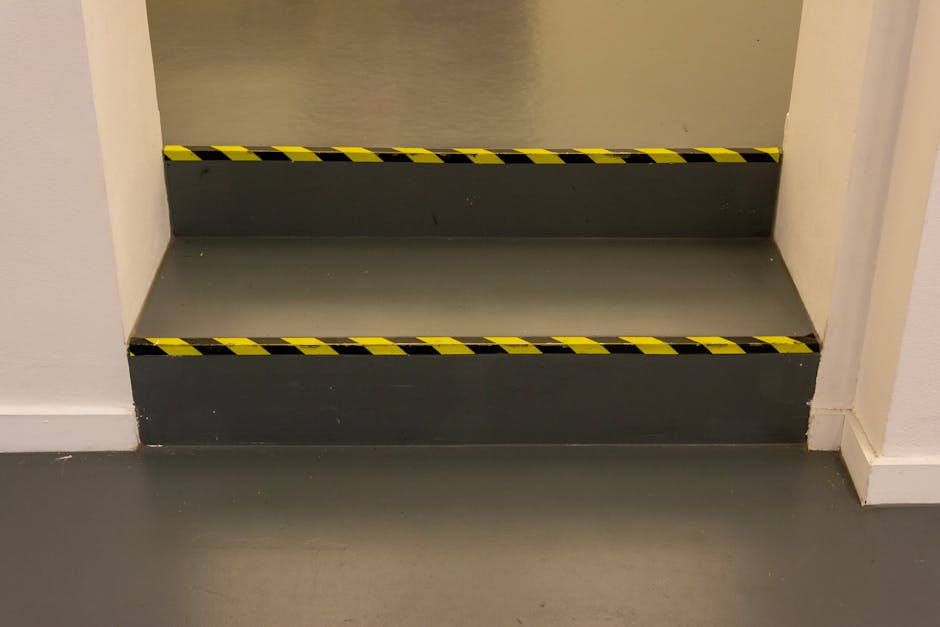
Use stair protection that stays put on each tread and does not create a slip hazard. If a tread is narrow or curved, cut the material to fit properly rather than forcing it. A slightly uneven fit is still better than a wrinkled one.
-
Protect walls and corners.
Bannisters, door frames, and stair corners are all easy to knock. Use corner guards or soft padding where items are likely to rub. I've seen a perfectly good move nearly derailed by one badly angled wardrobe. Annoying, but avoidable.
-
Test the route with one item.
Before the full move begins, send one person or one light item along the route to check for movement, trip points, or weak spots. It's a quick reality check. Worth it every time.
-
Keep checking during the move.
Protection can shift once the rhythm starts. A runner may bunch, tape may lift, or debris may build up. Pause and reset it if needed. No drama, just maintenance.
That process sounds simple because it should be. The trick is consistency. Half-done protection is one of those things that looks fine until the first heavy item passes over it.
Expert Tips for Better Results
After enough moving days, a few patterns become obvious. The first is that the best protection is usually the one that fits the route exactly. Oversized sheets can slip. Undersized pieces leave gaps. A neat, measured layout tends to work better than improvisation.
Here are some practical tips that make a real difference:
- Use the right tape for the surface. Some tapes are too aggressive for delicate finishes. If in doubt, test a small hidden patch first.
- Don't trap moisture. If floors are wet from rain, dry them before laying protection, especially on wood or laminate.
- Prioritise the high-contact points. The first few steps of a stair, the landing, and the front threshold usually take the most wear.
- Think about weight distribution. Heavy items should be carried by enough people, with the route protected so the load is not resting on one point.
- Use brighter lighting where possible. It sounds minor, but clear visibility helps movers judge steps and corners more accurately.
One small thing that gets overlooked: shoes matter. A clean-soled shoe on a protected surface is very different from a boot with grit under it. The latter can undo good protection in minutes. If you can, keep a sensible shoe change nearby. Not glamorous, but effective.
For larger or more detailed moves, you may also want to consider packing and unpacking services, because less loose material moving through the house usually means less chance of scuffs and dropped items.
Common Mistakes to Avoid
Most protection problems are not dramatic. They are small, accumulative, and a bit boring until they become a repair bill. The good news is that they are easy to avoid once you know what to watch for.
- Leaving gaps in the route: One uncovered strip of floor is enough for a trolley wheel or shoe heel to mark a surface.
- Using slippery materials on stairs: Anything that slides under pressure is a no-go. If it moves, it fails.
- Applying tape directly to fragile finishes without testing: Some paints and coatings are more delicate than they look.
- Forgetting the landing: A lot of damage happens where people turn, pause, or pivot with items.
- Overloading a narrow stair: Protection is not a substitute for sensible lifting technique or enough hands on the job.
- Ignoring shared access rules: In flats and managed buildings, the route may need to be kept clear for other residents. That matters.
Let's face it, most moving mishaps happen because everyone is focused on the large thing in their hands and not the quiet little problem underfoot. That is exactly why protection needs to be set before the rush begins.
Tools, Resources and Recommendations
You do not need an enormous kit, but you do need the right basics. A simple set of materials can solve most stair and floor protection jobs well.
| Item | Best use | Practical note |
|---|---|---|
| Floor runners | Hallways, corridors, long traffic paths | Good for repeated foot traffic and light trolley use |
| Boarding or heavy-duty floor sheets | Hard floors and high-wear areas | Useful where impact or point loading is likely |
| Stair treads or protective covers | Individual stair steps | Should grip properly and not bunch at the edges |
| Corner and edge guards | Bannisters, skirting, door frames | Helps with tight turns and bulky furniture |
| Soft moving blankets | Furniture contact points | Best for large items that may brush walls or rails |
| Low-residue fixing tape | Securing temporary protection | Always test first on delicate finishes |
If you are using a team such as man and van removals, ask what protection is included as standard and what may need to be added for unusually tight access. The same is true for removal van work, where smaller teams often need to be especially precise with space and timing.
In some cases, the best resource is simply a clear move plan, a couple of extra hands, and enough time to do the protection properly before furniture starts moving. Not very glamorous, but it works.
Law, Compliance, Standards, or Best Practice
For most domestic moves, stair and floor protection is guided more by best practice than by a single special rulebook. Still, there are sensible UK expectations to keep in mind. Work should be carried out safely, access routes should not be made hazardous, and any temporary coverings should not create slip risks or block escape routes. In shared buildings, you may also need to respect building management rules, communal areas, and quiet access arrangements.
From a practical point of view, the important questions are simple: does the protection reduce risk, or does it create a new one? Is the route still usable for the people moving through it? Can the materials be removed without damaging the property? Those are the questions that matter on the day.
If you're choosing a provider, it is worth checking their approach to safety and insurance. Pages like health and safety policy and insurance and safety can give you a clearer picture of how they think about risk, and that reassurance is often worth more than a flashy pitch.
There is also a broader duty of care angle. If a mover is working in a client's property, they should take reasonable steps to avoid damage and prevent accidents. That doesn't mean perfection. It means sensible preparation, careful handling, and adjusting the method when the property demands it. In older Parsons Green buildings, that flexibility is usually what separates a smooth move from a stressful one.
Options, Methods, or Comparison Table
Different protection methods suit different kinds of move. Here is a quick comparison to help you decide what is likely to work best.
| Method | Best for | Pros | Watch out for |
|---|---|---|---|
| Temporary runners | Hallways and light traffic routes | Quick to lay, easy to remove | Can shift if not secured well |
| Boarding and hard coverage | Heavy items and hard floors | Strong protection against impact | More time to install and remove |
| Soft blankets and wraps | Furniture contact points | Prevents rub marks and scuffs | Not enough on their own for floors |
| Stair-specific covers | Repeated stair traffic | Good grip and step coverage | Must fit properly to stay safe |
| Mixed-method setup | Busy home or office removals | Best balance of safety and coverage | Needs a clearer plan and more setup time |
For most real-world moves, a mixed-method setup is the winner. A hallway runner, stair covers, and a few soft wraps around awkward furniture often cover the bases well. For larger projects, especially in a workplace setting, services like office removals and commercial moves may need a more structured system because there are more people, more equipment, and more chances for traffic to collide.
Case Study or Real-World Example
A typical Parsons Green scenario goes like this. A two-bedroom flat on the first floor, narrow stairwell, varnished hallway, and one sizeable sofa that refuses to turn cleanly at the landing. Nothing unusual, really. The move team arrives, checks the route, and immediately sees that the stairs are the main risk point. Not the van, not the driveway - the stairs.
So they lay a floor runner from the entrance to the base of the stairs, then fit stair protection on each tread. The landing gets extra coverage because that is where the sofa will pivot. Wall corners are padded. A quick test run with a lighter box confirms the runner is stable. Only then does the sofa move.
What happens next is pretty ordinary in the best way. The sofa clears the turn with less hesitation, the walls stay untouched, and the client is not left worrying about a scrape on a freshly painted banister. The moving day still takes effort, of course. It is a move, after all. But it feels controlled. Calm. Almost boring, which is exactly what you want from stair protection.
That sort of setup is also useful for people booking house movers or arranging a larger move through removals near me searches, because access is often the bit that turns a good plan into a messy one if nobody prepares for it.
Practical Checklist
Use this checklist before the first box is carried through the door.
- Walk the route from entrance to loading point
- Identify carpets, wood, stone, vinyl, and painted surfaces
- Remove loose mats, bins, and hallway clutter
- Lay floor protection on the main traffic line
- Cover stairs with non-slip, well-fitted protection
- Protect banisters, corners, and skirting where needed
- Check that tape or fixings will not damage finishes
- Keep the route dry and free of grit
- Test the protection with one item before full loading starts
- Reset any shifted covering during the move
- Do a final walk-through after removal is complete
If you are moving into a building with shared access, it is worth keeping the route clear enough for everyone to pass safely. That little bit of courtesy goes a long way, honestly.
Get a free quote today and see how much you can save.
Conclusion
Good stair and floor protection is one of those moving-day details that pays you back in several ways at once. It protects surfaces, reduces risk, keeps the job moving, and leaves a better final impression. In Parsons Green, where access can be tight and property finishes often deserve a careful touch, it is not an optional extra. It is part of moving well.
The key is to plan early, use the right materials, and keep checking the route as the move unfolds. Do that, and you are much more likely to finish the day with intact floors, tidy stairs, and a lot less stress than expected. Which, let's be fair, is a pretty good outcome.
For a move that feels properly managed from the first box to the last, small things really do matter. And this is one of them.
Frequently Asked Questions
What is the best way to protect stairs during a removal?
The best approach is to use stair-specific covers or non-slip protective material that fits each tread securely, with extra protection on landings and turning points. The goal is grip, coverage, and stability.
How do you protect wooden floors during a house move?
Use floor runners, boards, or other temporary coverings that spread weight and reduce scuffing. Make sure the floor is dry and free from grit before laying anything down.
Do I need floor protection for a small move?
Usually, yes, if you are moving through a hallway, stairwell, or any finished floor. Even a small move can cause damage if furniture legs or boxes drag across delicate surfaces.
Will tape damage painted stairs or skirting boards?
It can, depending on the paint, finish, and tape type. Always test in a hidden spot first and use low-residue options where appropriate.
How much protection is enough for a flat move in Parsons Green?
That depends on the route, but a protected entrance, hallway, stairs, and landing is a sensible baseline. If the building has polished floors or tight turns, add extra coverage.
What should I protect first: stairs or floors?
Protect the main floor route first, then the stairs. The aim is to create a continuous safe path from the door to the loading point.
Is stair protection necessary for carpeted stairs?
Yes. Carpet can still wear, snag, or collect dirt during a move, and the added grip from proper protection can help reduce slips.
Who is responsible for damage protection during removals?
In practice, the moving team should take reasonable care, but the property owner or tenant may also want to prepare the route and flag any fragile areas in advance. Good communication helps a lot.
Can I use blankets instead of proper floor protection?
Blankets are useful for furniture wrapping and some light contact protection, but they are usually not enough on their own for floors or stairs. They can shift too easily.
How long does stair and floor protection take to set up?
For a small property, it may take only a few minutes. For a larger or more complex move, it can take longer, especially if you need to fit protection precisely around turns or corners.
What are the most common mistakes people make?
The biggest mistakes are leaving gaps, using slippery materials, forgetting landings, and failing to check that the protection stays in place during the move. These are easy to overlook, and easy to fix with a bit of planning.
Should I ask the removal company about protection before booking?
Yes, absolutely. It is sensible to ask what protection they provide, how they handle tight access, and whether their process suits your property. If you want to compare the approach further, the company's pricing and quotes information can also help you understand what is included.