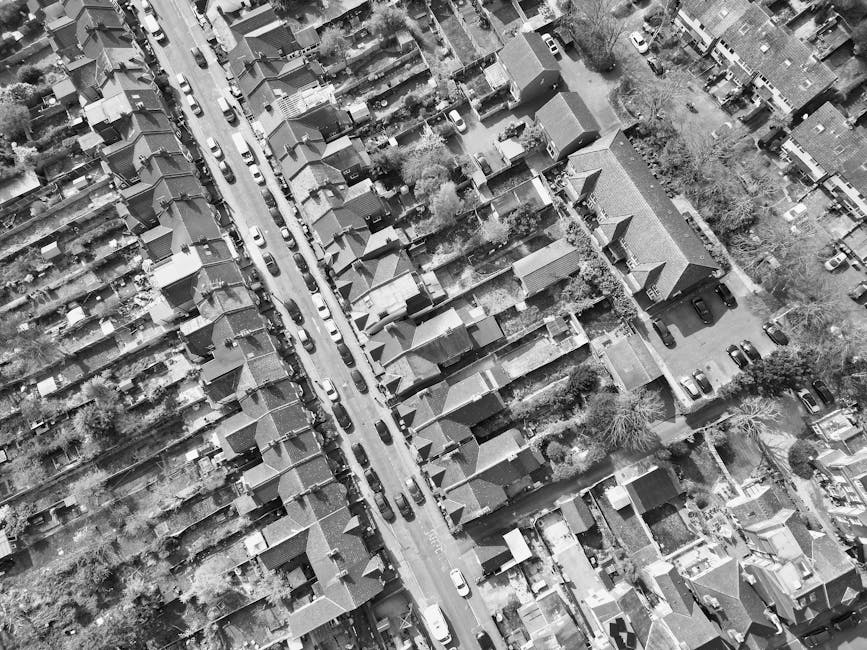
Access Issues on Narrow Parsons Green Streets: Fixes

If you have ever tried to move furniture, clear a flat, or get a van parked on a tight London road, you will know the feeling: the street looks simple on a map, then suddenly everything becomes a puzzle. In Parsons Green, narrow roads, parked cars, limited turning space, and awkward front access can make even a short move feel oddly complicated. This guide on Access Issues on Narrow Parsons Green Streets: Fixes breaks down what usually goes wrong, what actually helps, and how to plan a move so it stays calm rather than chaotic. A bit of prep goes a long way. Honestly, it can be the difference between a neat handover and a very long afternoon.
Whether you are shifting a one-bed flat, an office load, or a single bulky item, the same access problems tend to crop up. The good news? Most of them can be managed with the right vehicle choice, timing, packing, and loading plan. Let's walk through it properly.
Why Access Issues on Narrow Parsons Green Streets: Fixes Matters
Access problems are not just a nuisance. They affect timing, safety, cost, neighbour relations, and the condition of the items being moved. On narrow streets, one badly parked car or an oversized van can block the whole plan. You may end up carrying heavy items farther than expected, waiting for a gap, or reloading things multiple times. None of that is fun, and some of it can create avoidable damage.
In practical terms, access issues usually show up in a few ways: tight turning circles, low-hanging branches, limited kerb space, bays already full, no safe place to unload, or stairwells that force a long carry from the vehicle. In Parsons Green, where residential streets can be compact and traffic can build quickly, the margin for error is small. That is why the fix is not simply "send a van" and hope for the best. It starts earlier than that.
The real benefit of handling access well is not just convenience. It protects the move itself. When access is clear, crews can work faster, lift more safely, and avoid dragging items along pavements or stopping in awkward positions. Less fuss. Less risk. Fewer surprises.
If you are comparing services, it may help to look at general move support such as removals, or more tailored help like man and van for lighter loads and smaller access windows. For larger or time-sensitive jobs, office removals and home moves can offer a more organised approach.
Expert summary: Most access headaches on narrow streets are solved by choosing the right vehicle, reducing load friction, pre-checking the route, and keeping the loading plan flexible. Small changes make a big difference.
How Access Issues on Narrow Parsons Green Streets: Fixes Works
The fix is usually a combination of planning and practical adaptation. There is rarely one magic solution. Instead, you match the move to the street, not the other way round.
1. Assess the street before moving day
Start with the basics. Can a van stop near the property without blocking traffic? Is there room to open doors fully? Can a driver reverse or turn around safely, or will they need to approach from a different direction? These questions sound simple, but they save time.
It also helps to note real-world obstacles: school drop-off times, delivery lorries, bin collection points, and the inevitable row of cars that seems to appear right when you need space. A street can be fine at 10 a.m. and completely different at 4 p.m.
2. Match the vehicle to the access
On a narrow street, bigger is not always better. A large moving truck may carry more, but it can become a headache if the road is tight or parking is limited. In many cases, a smaller removal van or a flexible man with van setup is more efficient because it can get closer to the property.
If the move is substantial, a larger option may still be right, but you might need a staged load plan. That means moving some items to a nearby holding point or splitting the job into more than one run. Not glamorous, but it works.
3. Reduce the amount of handling
The more times an item is picked up, the more likely something goes wrong. Good packing, sensible box sizes, and clear labelling all help. For example, if you know a sofa has to pass through a tight hallway and around a sharp corner, you want it wrapped properly and ready to move in one clean attempt. No faffing about with loose cushions or dangling corners.
For mixed household moves, useful support such as packing and boxes or packing and unpacking services can reduce the number of awkward surprises on the day.
4. Build a loading sequence that suits the site
On narrow streets, loading order matters. Heavy, hard-to-manoeuvre pieces should usually go first if they are going deep into the vehicle, but not if they need to come out early at the destination. The best sequence depends on the route, the stop location, and the number of hands available. A bit of planning here saves a lot of backtracking later.
5. Keep an access fallback plan
Sometimes the street is simply more blocked than expected. A fallback plan may involve moving to a side road, using a smaller van, or asking a second crew member to manage parking while the rest of the job continues. The point is to avoid panic if the first plan gets pinched. Narrow streets can be a little unpredictable, and the sensible move is to expect that.
Key Benefits and Practical Advantages
When access is handled properly, the benefits are immediate. They are not abstract marketing benefits either; you can feel them in the work on the day.
- Faster loading and unloading: If the van can stop close to the entrance, everything moves more smoothly.
- Less lifting distance: Shorter carries reduce strain and lower the chance of accidents.
- Lower damage risk: Fewer awkward corners, fewer heavy manoeuvres, fewer chances to knock walls or door frames.
- Better street safety: A controlled stop is far safer than double-parking in a tight lane with people walking past.
- Less stress: This one matters more than people admit. A move already has enough moving parts.
There is also a cost angle. Better access planning can reduce wasted time, which is often where a move starts becoming more expensive than it needed to be. If you are comparing quotes, have a look at pricing and quotes so you can see how a more planned approach may affect the final job shape.
For bigger homes or longer routes, services such as house removals or flat removals often make sense because they can be scoped around access constraints rather than treated as a standard point-to-point lift.
Who This Is For and When It Makes Sense
This kind of planning is useful for anyone moving in or out of a narrow Parsons Green street, but some people benefit more than others.
Home movers
If you are leaving a terrace, a maisonette, a top-floor flat, or a property with limited front access, the street layout can be as important as the rooms inside the house. A small van, careful packing, and a sensible loading window can make the job feel much more manageable.
Students and renters
Students and short-term renters often have fewer items but tighter time pressure. Maybe you are between tenancies, maybe the landlord wants keys back by midday, maybe your sofa is somehow larger than the hallway. In that case, student removals can be a neat fit because the job is usually built around speed and access efficiency.
Offices and small businesses
For business moves, access is not just about the street. It is about keeping staff disruption down and protecting equipment. A narrow road can make a routine office shift feel awkward if it is not planned properly. That is where office relocation services or commercial moves can help structure the process.
People moving bulky or delicate items
Pianos, wardrobes, large mirrors, and oversized furniture all demand a bit more room. Access issues become even more relevant here because those items are harder to tilt, lift, and reposition. If you are moving something fragile and awkward, the street matters just as much as the staircase. Sometimes more.
Step-by-Step Guidance
Here is a practical way to deal with access problems without turning the move into a gamble.
- Measure the access points. Check front door width, hallway bends, stair turns, and any tight corners from room to van.
- Review the street layout. Note parking restrictions, one-way sections, and places where a van can realistically stop.
- Choose the right vehicle. Smaller may be smarter. Bigger may be necessary. It depends on the actual road conditions, not just the size of the load.
- Sort items by handling difficulty. Put the awkward, heavy, and fragile items into a plan first, not last.
- Use protective packing. Blankets, wraps, sturdy boxes, and taped seams reduce damage when there is little room to manoeuvre.
- Set a realistic schedule. Allow extra time for carrying, parking, and repositioning if needed.
- Communicate special issues early. Mention loading bay limits, entry codes, lift access, or a tight stairwell before the day begins.
- Keep a backup route in mind. If the street is blocked, a nearby alternative stopping point can save the job.
A small but important detail: tell your mover about any item that has to come through a narrow gap, even if it seems obvious. The obvious things are the ones people forget. Happens all the time, truth be told.
Expert Tips for Better Results
After enough tight street moves, a pattern starts to appear. The jobs that go well are almost always the ones with fewer assumptions.
- Book for quieter hours if possible. Early mornings often work better than later daytime slots when local parking is busier.
- Keep the kerbside path clear. Even a few extra bins or bikes can make the loading area feel cluttered fast.
- Use matching box sizes where possible. Uniform boxes stack better and waste less room in a compact van.
- Label boxes by room and priority. It sounds basic, but it reduces stop-start carrying.
- Disassemble furniture ahead of time. Beds, table legs, and shelving units are often easier to move in pieces.
- Protect floor surfaces. Hallways can be narrow and scuffed easily, especially in older properties.
One of the best fixes, honestly, is simply to do less on the day. Less loose stuff. Less improvising. Less "we'll just see how it goes." That phrase has a way of becoming expensive.
If you need temporary holding space because the access at one end is awkward, storage can be a sensible bridge between collection and final delivery. It is especially useful when the property handover and the arrival schedule do not line up neatly.
Common Mistakes to Avoid
Most access problems become worse because of small planning errors. The good news is that these are usually easy to avoid once you know them.
- Assuming a large van will always be faster. Not on a narrow street. If it cannot park near the door, the extra size may work against you.
- Forgetting about turning space. A van may fit in, but can it safely leave again?
- Leaving bulky furniture assembled. That can turn a straightforward move into a wrestling match in a hallway.
- Ignoring neighbour parking patterns. Residential streets can change by the hour.
- Not warning about difficult items. Pianos, glass tables, and oversized wardrobes need special handling plans.
- Underestimating loading time. Tight access nearly always adds a bit of time. Sometimes more than a bit.
The most common mistake is probably the easiest to recognise: not checking access until the van has arrived. By then, everyone is committed, the street is not getting wider, and the mood is already less cheerful. Better to check first.
Tools, Resources and Recommendations
You do not need a box full of specialist gear to solve access issues, but a few practical tools help a lot.
| Tool or resource | Why it helps | Best used for |
|---|---|---|
| Measuring tape | Confirms widths, heights, and awkward gaps | Doorways, stair turns, furniture clearance |
| Furniture blankets | Protects edges and surfaces during tight moves | Sofas, cabinets, tables, white goods |
| Ratchet straps | Keeps loads stable inside the van | Mixed household or office loads |
| Labels and marker pens | Makes sorting faster and clearer | Room-by-room moves, unpacking plans |
| Small dolly or sack truck | Reduces repeated lifting on a long carry | Boxes, appliances, lighter furniture |
For tougher jobs, the most useful recommendation is often to choose a service that actually understands difficult access rather than just quoting on volume. That might mean a smaller vehicle, a staged loading plan, or a move split across more than one stop. If you are moving furniture you no longer need, options like furniture removals or furniture pick up can help clear space before the main move.
Law, Compliance, Standards, and Best Practice
Access planning is not only a convenience issue. It touches safety, road use, and responsible working practice. You do not need to be a legal expert to get this right, but you do need to be sensible.
In the UK, anyone arranging a move on a public road should think carefully about safe stopping, obstruction risk, and keeping pedestrians clear. If the move requires loading near a public pavement or road edge, the arrangement should be managed in a way that avoids unsafe conditions. Local parking rules, restrictions, and any permit expectations can vary by street and time of day, so checking the practical situation in advance is wise. I would always treat this as part of the move plan, not a side note.
From a best-practice perspective, it helps to follow a few common standards:
- do not block emergency routes or create unsafe pedestrian pinch points
- use enough people for the weight and shape of the items involved
- protect both the property and the load during tight handling
- record unusual access issues in the booking notes
- make sure the move plan is realistic for the street conditions, not just the contents list
It is also worth choosing a provider that is clear about safety and responsibility. Pages such as health and safety policy, insurance and safety, and terms and conditions are useful for understanding how the job is handled, what is covered, and what expectations apply before moving day.
Options and Comparison Table
Different access fixes suit different jobs. There is no single winner, but some approaches are clearly better in certain situations.
| Approach | Best for | Strengths | Limitations |
|---|---|---|---|
| Small van | Very narrow streets, light to medium loads | Easier parking, simpler kerbside access | May require more trips |
| Standard removal van | Typical home moves with manageable street access | Good balance of capacity and manoeuvrability | Can struggle in tight parking zones |
| Multiple smaller runs | Blocked streets or mixed access conditions | Flexible and adaptable | Takes more time if poorly scheduled |
| Short-term storage before delivery | When dates or access windows do not line up | Reduces pressure on the final handover | Adds an extra stage to the move |
| Full removals crew | Heavier, more complex moves | Better handling, better organisation | May be more than needed for a tiny move |
For many Parsons Green moves, the sweet spot is a modest vehicle plus careful planning. Not too small, not too ambitious. Just right, if you can call a move that.
Case Study or Real-World Example
Picture a flat move from a narrow residential street off Parsons Green in the late morning. The road has parked cars on both sides, a narrow entrance, and only a small gap near the front door. The resident needs a sofa, a dining table, several boxes, and a few fragile items moved out before a key handover later that day.
The first instinct might be to send a bigger van so everything can go in one trip. But a larger vehicle would likely struggle to stop close enough to the property. Instead, the move is planned with a smaller van, a clear loading sequence, and a pre-packed set of boxes placed near the door before arrival. The sofa legs are removed, mirrors are wrapped, and the boxes are grouped by room. The driver times the arrival to avoid the busiest part of the street.
What changes? Less double-handling. Less time spent walking items down the street. No awkward reversing attempt on a road with tight parking. The move still takes concentration, of course, but it stays controlled. That is usually the real goal. Controlled is good.
A similar approach works well for smaller business moves too, especially when equipment needs to be loaded efficiently without blocking a narrow road for long. When access is the bottleneck, planning beats brute force nearly every time.
Practical Checklist
Use this checklist before move day. It is simple, but it catches a lot.
- Measure the front door, hallway, stair turns, and any tight internal corners
- Confirm whether a van can stop safely near the entrance
- Check likely parking pressure for the time of day
- Decide whether a smaller van or multiple runs make more sense
- Disassemble bulky furniture where possible
- Wrap fragile or high-value items carefully
- Label boxes by room and priority
- Tell the mover about any awkward access in advance
- Set aside a fallback stopping point if the street is busy
- Keep keys, codes, and entry instructions ready
- Plan for storage if there is a gap between collection and delivery
- Review the provider's safety and booking details before confirming
If all of that feels like a lot, fair enough. It is a lot. But it is the kind of work that saves you stress later, and that is usually worth it.
Get a free quote today and see how much you can save.
Conclusion
Narrow Parsons Green streets do not have to derail a move. They just need a plan that respects the real shape of the road, the property, and the items being carried. The best fixes are rarely dramatic. They are practical: the right-sized vehicle, better packing, smarter timing, and a move sequence that works with the access rather than fighting it.
If you keep the street conditions front and centre, the rest becomes much easier to manage. That is the quiet truth here. You do not need perfection. You just need a plan that is honest about the space you actually have.
And once the last box is in, the last door shuts, and the street finally calms down again, it feels very good indeed.
Frequently Asked Questions
What are the most common access issues on narrow Parsons Green streets?
The most common issues are limited parking, tight turning space, parked cars blocking the kerb, long carry distances, and difficult front-door or stair access. Sometimes the road is fine, but the stop position is the real challenge.
Is a smaller van always better for narrow streets?
Not always, but it often is. A smaller van can park closer to the property and reduce carrying distance. If the load is large, though, you may need more than one trip or a different loading plan.
How do you know if a move needs special access planning?
If the street is narrow, parking is scarce, or the property has a tight hallway or stairs, it is worth planning access in advance. Even a small move can become awkward if the vehicle cannot stop nearby.
Can access issues increase moving costs?
Yes, they can. Extra time, longer carries, or repeated loading can affect the job length. Good planning helps reduce those costs by limiting wasted movement and delays.
What should I tell the mover before moving day?
Tell them about parking restrictions, narrow entrances, stairs, lift access, bulky items, and any time limits. The more specific you are, the easier it is to build a workable plan.
Do I need to disassemble furniture for a narrow street move?
Often, yes. Disassembling beds, tables, or shelving can make them easier to carry through the property and load into the van. It can also reduce the chance of damage at tight corners.
What if the street is blocked when the van arrives?
That is where a fallback plan helps. A nearby stopping point, a later arrival window, or a smaller vehicle may solve the issue. It is much easier if these options are agreed in advance.
Are flat removals more affected by access problems than house moves?
They can be, especially if the flat is upper-floor or the entrance is shared and narrow. House moves can also be difficult, though, if the street access is limited or parking is tight.
How do packing services help with access issues?
Good packing reduces the number of loose items, speeds up handling, and makes everything safer to carry in confined spaces. It also helps keep the move organised when access is time-sensitive.
Should I use storage if access at one property is difficult?
Storage can be useful if the move-out and move-in timing does not line up, or if one property has very poor access and needs to be cleared in stages. It is a practical bridge rather than a last resort.
What is the safest way to handle bulky items on a narrow street?
Use enough people, protect the item properly, and plan the route from the property to the van before lifting. If the item is heavy or fragile, do not rush it. Rushing is where problems begin.
How far in advance should I plan access for a Parsons Green move?
As early as possible, ideally when you first book. Access planning is easiest when it is part of the quote, not an afterthought on the day. A quick check beforehand can save a lot of hassle later.